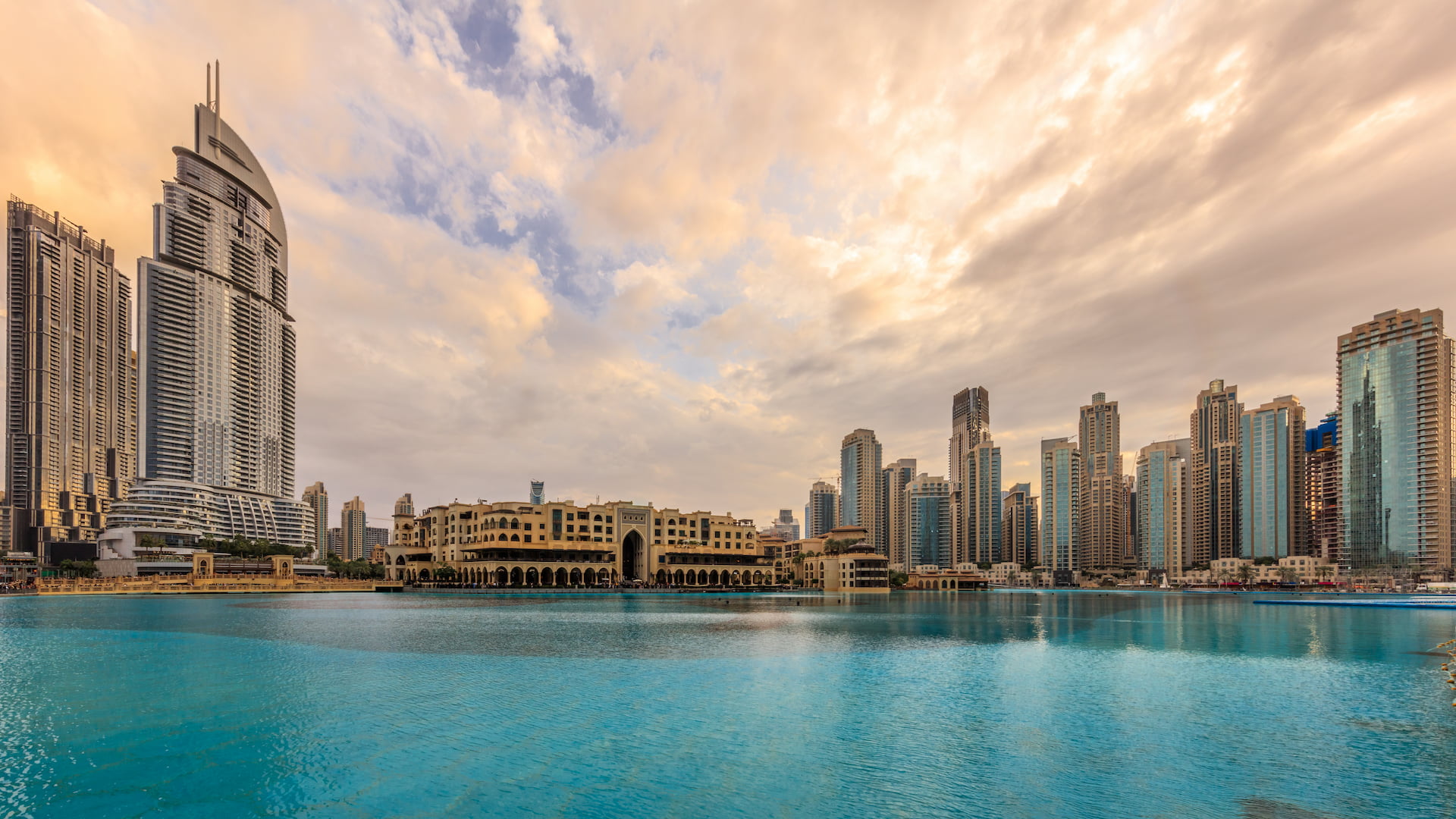
Posted on: 15th December 2025 in Expats
I never imagined we would leave North London. Not really.
For years, James and I lived what you might call a steady, respectable British life. We were based in Barnet, in a four-bedroom detached house on a tidy estate. Two cars. A local state primary for Mary (8) and a local state junior for John (10). The NHS. A calendar full of school events and family birthdays. We earned around £120,000 a year between us. We were comfortable — and constantly busy.
James is a hedge fund manager. He has done well, worked hard, and built a reputation in a world that prizes results but rarely rewards balance. I’m a primary school teacher, and if you’ve ever been in a classroom lately, you’ll know it’s not simply a job — it’s a second home that follows you back to your own.
Then came the call: a role in the Dubai International Financial Centre (DIFC). A senior position, genuine responsibility, and — crucially — a chance to work in an environment increasingly designed to attract global finance. The package was AED 800,000 a year, tax-free.
It’s the kind of offer that sounds like a headline. But headlines don’t raise children, run households, or soothe anxiety at 3 a.m. So we did what sensible families do: we stopped daydreaming and started pricing reality.
In London, it isn’t just the cost of living that creeps up. It’s the sense that everything good requires another layer of effort: the commute, the endless admin, the low-level worry about waiting lists, and the quiet feeling that you’re sprinting just to remain in place.
We weren’t unhappy. We were simply tired — and aware that the years when children still want you, rather than simply tolerate you, are fewer than you think.
Dubai is often spoken about in lifestyle terms — sunshine, safety, restaurants — and yes, those matter. But what changed our calculus was finance.
DIFC has grown into a serious international centre, with record growth in registered firms and professionals reported in 2025, and widely cited fast growth in assets under management. The region has become a genuine magnet for talent and capital, not merely a place to visit.
And from a family perspective, there is reassurance in the direction of travel: the UAE’s removal from the FATF ‘grey list’ in February 2024 was a visible signal of how aggressively the country has worked to align with international AML standards.
We decided to sell our UK home and rent in Dubai. That wasn’t an emotional choice; it was a practical one. In London, our house was an asset — and a constant obligation. In Dubai, we wanted flexibility.
We chose Arabian Ranches because it is built for families: green streets, parks, pools, and a rhythm that suits school runs and after-school life. Market listings show four-bedroom villas spanning a wide range, but a typical family budget often lands in the AED 300,000–450,000 bracket depending on type and condition.
Our children have always been state-educated, and we remain grateful for that. But Dubai forced us to consider something we’d never had to price explicitly: predictable quality.
We chose Nord Anglia International School Dubai. For 2025–26, the published annual tuition for Primary Year 4 and Year 6 is AED 87,030 per child (plus the one-off registration fee). It is a large figure — but it’s transparent. You can see what you are buying: class sizes, facilities, pastoral care, and a global peer group that widens children’s horizons almost without them noticing.
In the UK, we accepted waiting as part of the deal. In Dubai, private medical cover is the norm for expat families. Market guidance varies widely by level of cover, but typical family premiums for four can sit somewhere in the mid five figures of dirhams per year. The result is what matters: speed, choice, and less uncertainty.
We go home once a year to see family. Flights are not free, but they’re predictable. Depending on season and booking timing, typical return fares London–Dubai vary considerably. We budget a sensible annual amount for four seats and treat it as non-negotiable — because family is not an optional extra.
One quiet detail in big moves is the relief of removing one pressure. I didn’t plan to stop working forever, but I did want to stop running on fumes.
In those first months, not working wasn’t boredom — it was recovery. I was present for our children in a way I hadn’t realised I’d lost. I could listen properly. Cook without multitasking. Notice the day.
This move didn’t make our lives extravagant. It made them more deliberate.
James works in a world-class financial ecosystem. The children are thriving, both academically and socially. We spend more time outside. We feel safer. We have more control over our time, and fewer silent frictions in daily life.
We may return to Britain one day. But for this chapter — while the children still want to hold your hand, and life can still be shaped — Dubai gave us something London no longer easily offered.
Space.
We have 18 offices across the globe and we manage over $2billion for our 20,000+ clients
Get started







I never imagined we would leave North London. Not really. For years, James and I lived what you might call a steady, respectable British life. We were based in Barnet,...
Read more
Digital Assets: From Fringe to Framework A Responsible View for Internationally Mobile Investors Executive Summary Digital assets have moved from the fringes of finance into mainstream discussion. The arrival of...
Read more
Across the global expatriate market, one product category is showing unprecedented momentum in 2025: Indexed Universal Life (IUL). As client expectations move toward solutions that combine long-term protection, tax-efficient wealth...
Read more
Chancellor Rachel Reeves delivered her second Autumn Budget in dramatic circumstances, after the Office for Budget Responsibility (OBR) accidentally released its full economic outlook online 45 minutes before her speech....
Read more